
1960
Dalton Trumbo, one of the Hollywood Ten, receives screenwriting credit on Exodus and Spartacus.
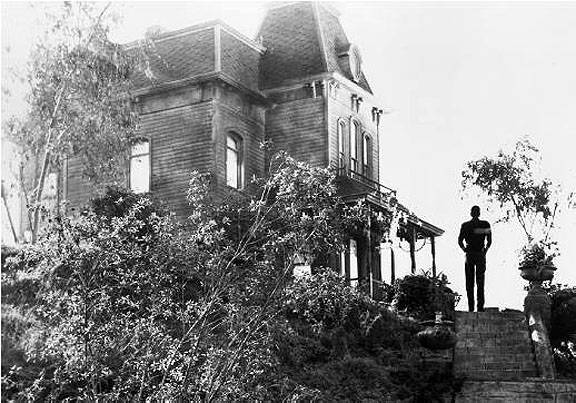
Paramount release Psycho, directed by Alfred Hitchcock, who deliberately shoots the film on a low-budget with a television crew.
1961
NBC launch Saturday Night at the Movies, the first prime-time series of post-1948 films on television.
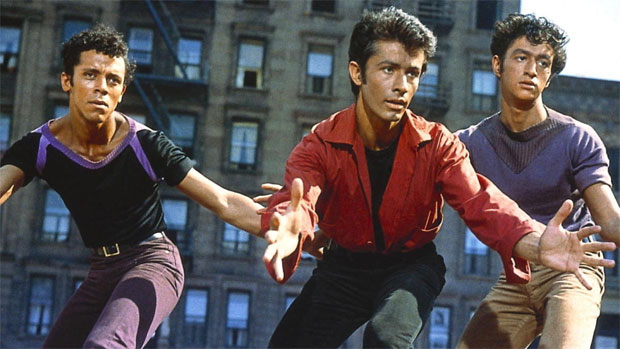
Robert Wise’s West Side Story, released by United States, wins 10 Academy Awards.
1962
Dr No, the first James Bond film, is produced by American producers Albert R. Broccoli and Harry Saltzman and released through United Artists.
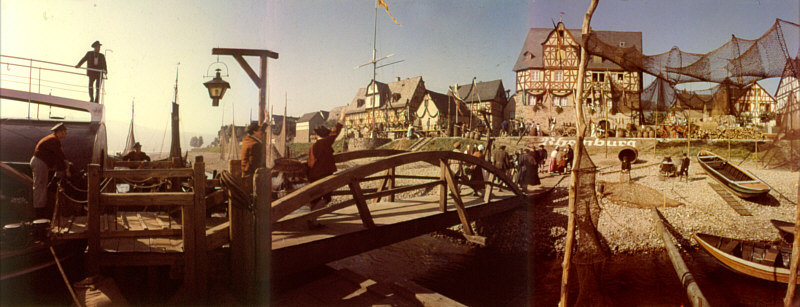
The Wonderful World of the Brothers Grimm, directed by Henry Levin and George Pal, is the first full-length Cinerama film.
1963
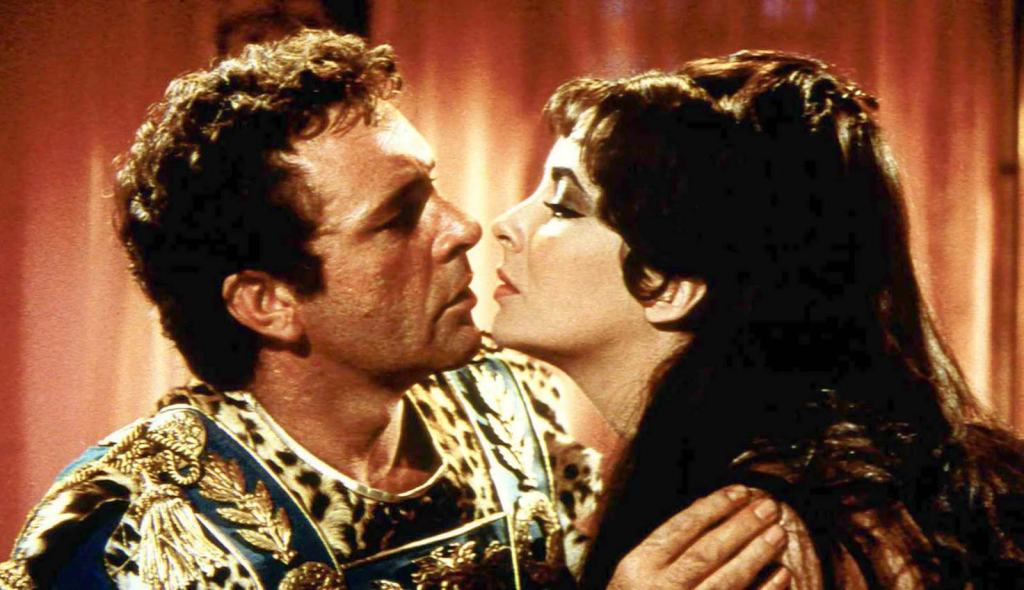
20th Century Fox release Cleopatra, directed by Joseph L. Mankiewicz, the most expensive film ever made at the time at $44 million.
The Parkway Twin, Kansas City, is the first two-screen cinema.
1964
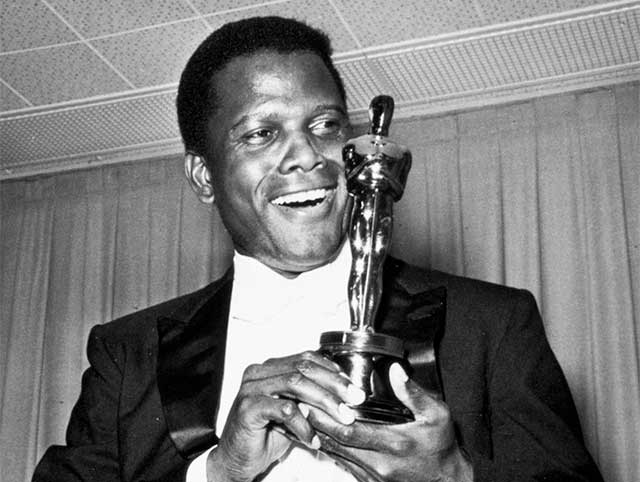
Sidney Poitier becomes the first African-American actor to win the Oscar for Best Actor for his performance in Lillies of the Field.
Universal Studios Hollywood is opened as a theme park.
Disney’s Mary Poppins, directed by Robert Stevenson, wins 13 Academy Awards.
1965
The Pawnbroker is the first US film to be told from the viewpoint of a Holocaust survivor. It is also the first film featuring bare breasts to be passed uncut by the PCA and features a confirmed homosexual character.
The commerical failure of George Stevens’ The Greatest Story Ever Told, released by United Artists, discourages future production of biblical epics.
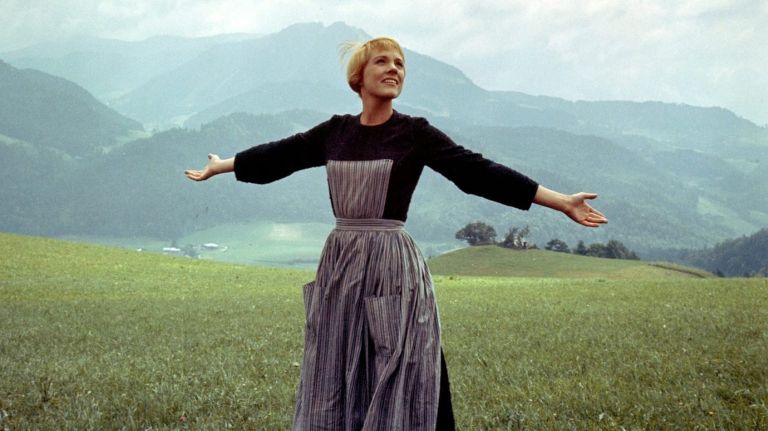
Robert Wise’s The Sound of Music, released by United Artists, wins five Oscars and is a massive box-office success.
1966
The Production Code is rewritten and Who’s Afraid of Virginia Woolf? is the first film to receive the new classification of SMA (“Suggested for Mature Audiences).
Paramount Pictures is bought by Gulf + Western.
ABC pay Columbia $2 million for the television rights to Bridge on the River Kwai.
1967
The Graduate and Bonnie and Clyde signal the emergence of younger filmmaking talent who make films to appeal to younger audiences.
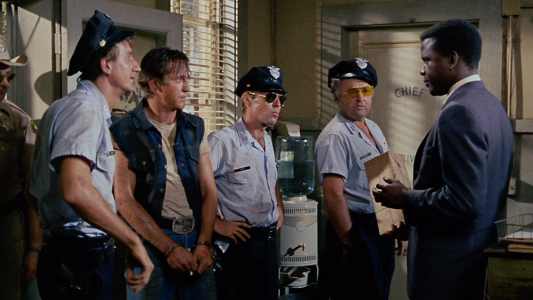
United Artists release In The Heat of the Night amongst the growing Civil Rights movement. Directed by Norman Jewison, it wins 5 Oscars.
Warner Bros merges with Seven Arts and Jack Warner sells his interest in the company.

1968
The Production Code is replaced by a ratings system; G, M, R and X are the four categories.
MGM release 2001: A Space Odyssey, directed by Stanley Kubrick. The film is nominated for four Academy Awards but wins none.
Sidney Poitier is the year’s top box office star.
1969
The industry falls into a recession as a result of overproduction.
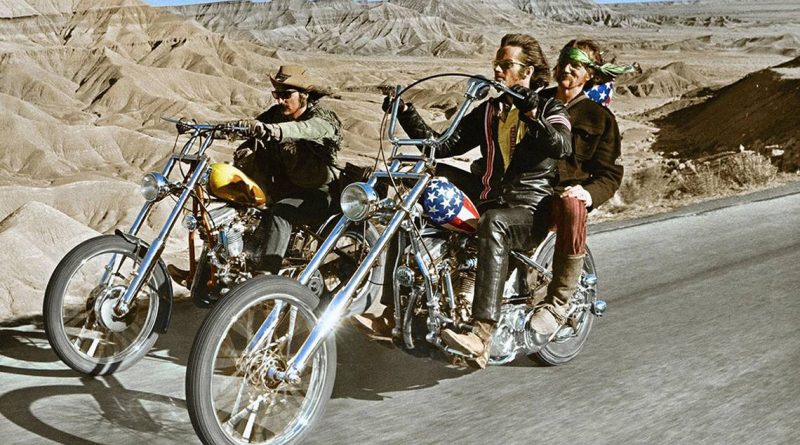
The era of New Hollywood is confirmed with the release of Columbia’s Easy Rider, directed by Dennis Hopper. Made on a budget of $400,000, the film grosses $60 million worldwide.
John Schlesinger’s Midnight Cowboy, released by United Artists, becomes the only X-rated film ever to win the Oscar for Best Picture.
 film-journalist.com