
1920
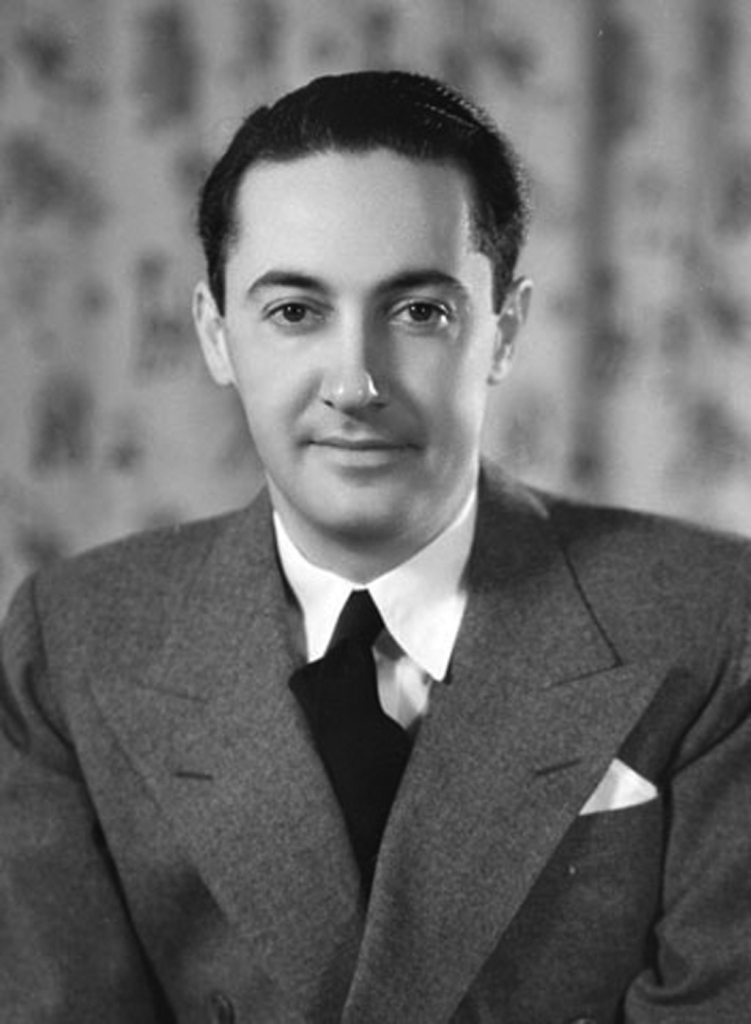
Irving Thalberg becomes head of production at Universal.
Colour tinting is used on 80-90 percent of films.

1921
Rudolph Valentino becomes a major star with the releases of The Four Horsemen of the Apocalypse and The Sheik.
New York establishes state censorship of motion pictures.
1922
84 per cent of American movie production takes place in Hollywood.
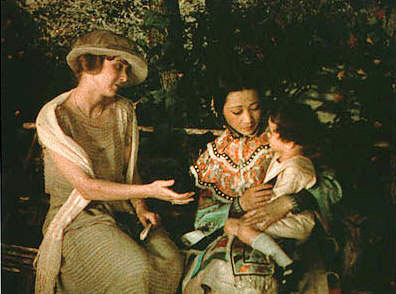
The Toll of the Sea is the first Technicolor feature not to require a special projector for screenings.
1923
Cecil B. deMille’s produces and directs The Ten Commandments.
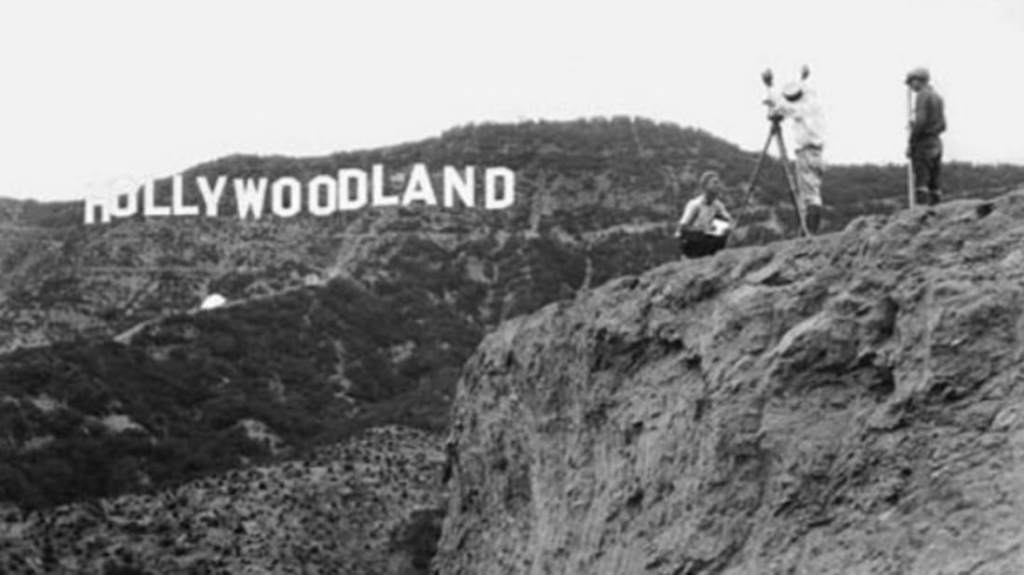
The HOLLYWOODLAND sign is erected.
Universal releases The Hunchback of Notre Dame, turning Lon Chaney into a star.
1924
Columbia Pictures, formerly CBC Salses Company, is formed with Harry Cohn as head of production.
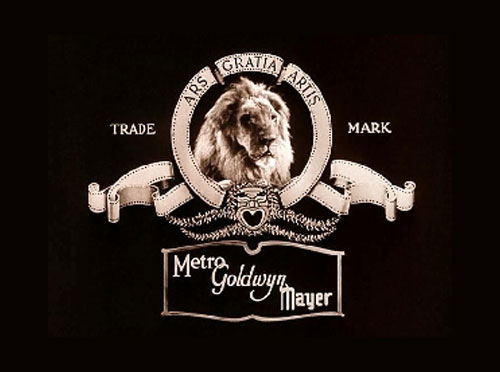
Loew’s Inc. acquires Goldwyn Pictures and establishes Metro-Goldwyn-Mayer as its production company.
1925
Germany imposes a quota on American movie imports.
The Gold Rush is released by United Artists. Charlie Chaplin will later say that is the film he wants to be remembered for.
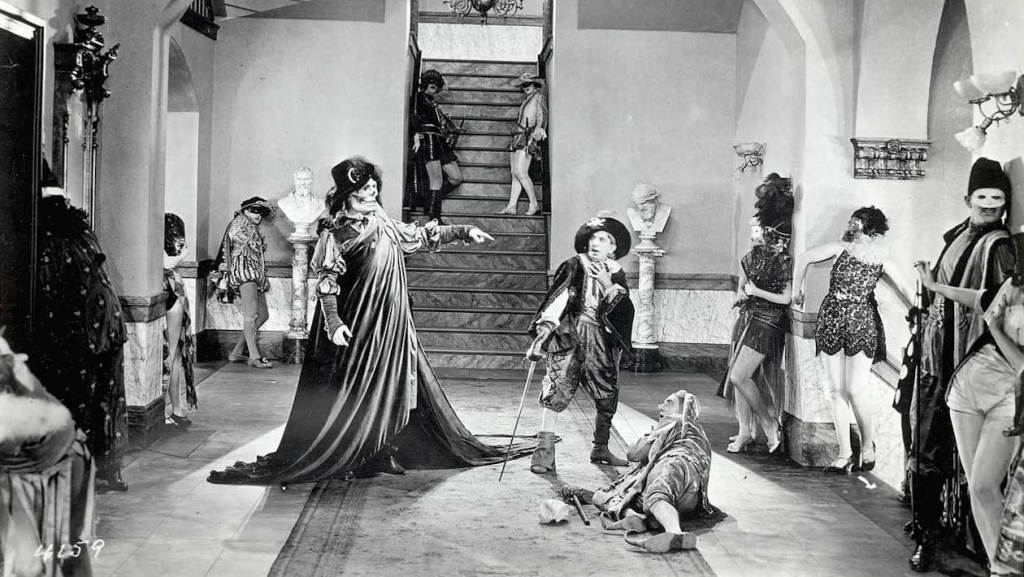
Universal releases The Phantom of the Opera starring Lon Chaney. It is the studio’s first horror film.
1926
Don Juan, distributed by Warner Bros, is the first feature film with a synchronised musical score and sound effects.
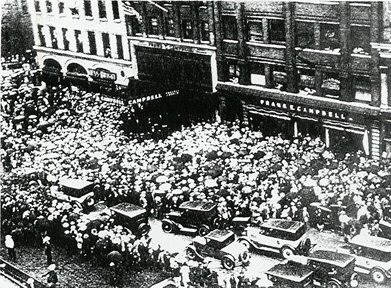
Rudolph Valentino dies on August 23rd, at the height of his fame. His funeral results in a mass public frenzy, with reported suicides amongst Valentino’s fans.
1927
Warner Bros. release The Jazz Singer, the first “talkie”, starring Al Jolson.
Marcus Loew, co-founder of MGM, dies on September 5th.
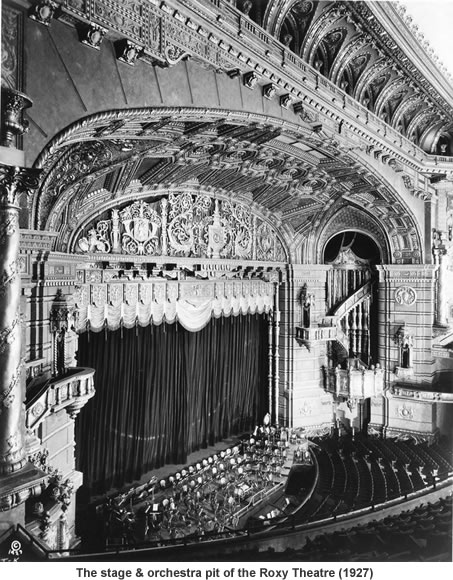
The Roxy Theatre opens in New York. It becomes known as the “Cathedral of the Motion Picture”.

1928
Lights of New York, released by Warner Bros, is the first “all-talking” feature film.
Walt Disney produces the animated short Steamboat Willie, the first cartoon featuring Mickey Mouse.
Britain imposes a quota on film imports from America.
1929
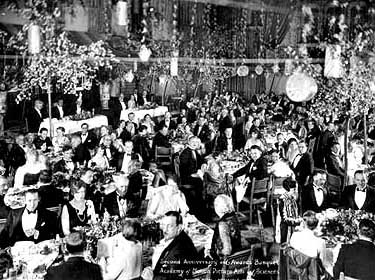
The first Academy Awards ceremony is held on 16th May at Hollywood Roosevelt Hotel.
$24 million is spent on refurbishing theatres for sound.
 film-journalist.com