
1940
The House Committee on Un-American Activities (HUAC) conducts its first brief investigation of Hollywood.
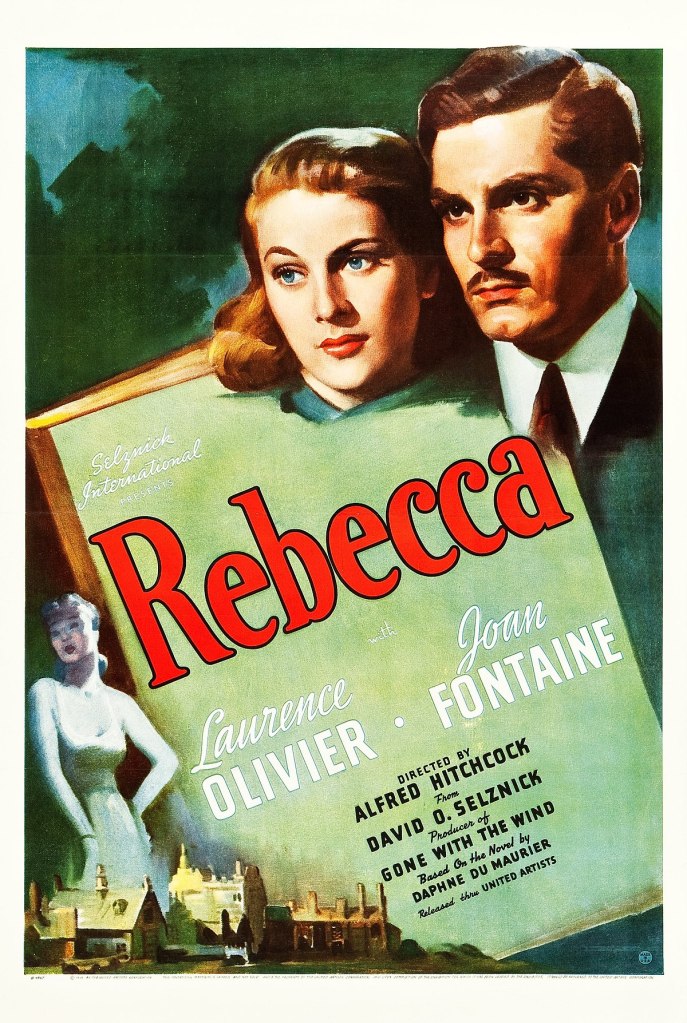
Alfred Hitchcock’s Rebecca, produced by David O.Selznick, is the director’s first American film. It is Hitchcock’s only film to win the Best Picture Oscar.
1941
The industry responds to US entry into WW2 by organising the War Activities Committee of the Motion Pictures Industry.
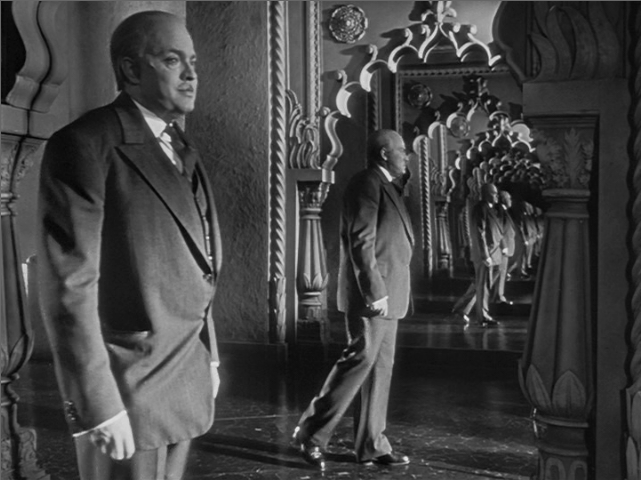
Orson Welles’ Citizen Kane is released, distributed by RKO.
1942
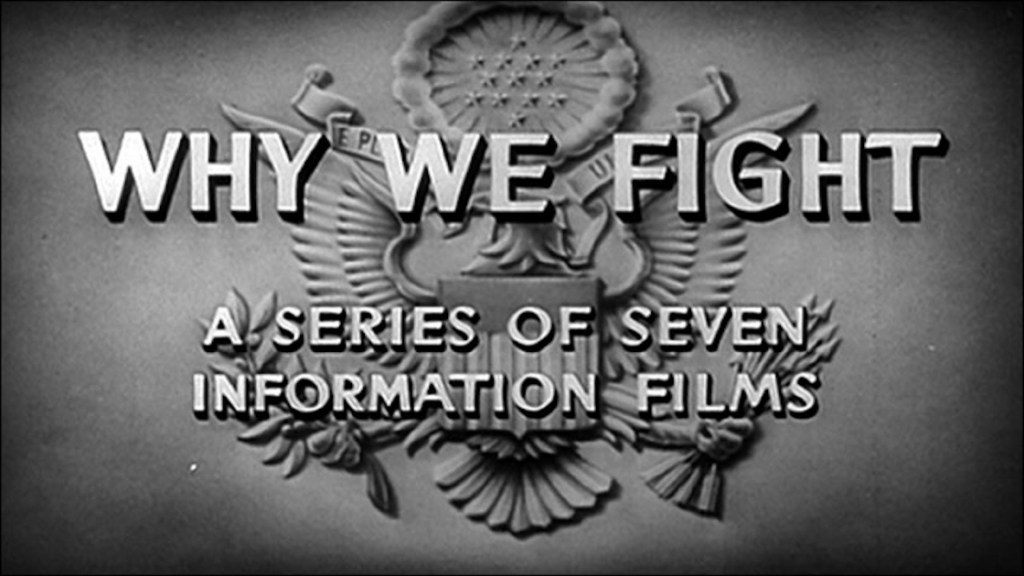
The Why We Fight propaganda series of documentaries begin to be shown in theatres.
Warner Bros release Casablanca, directed by Michael Curtiz.
1943
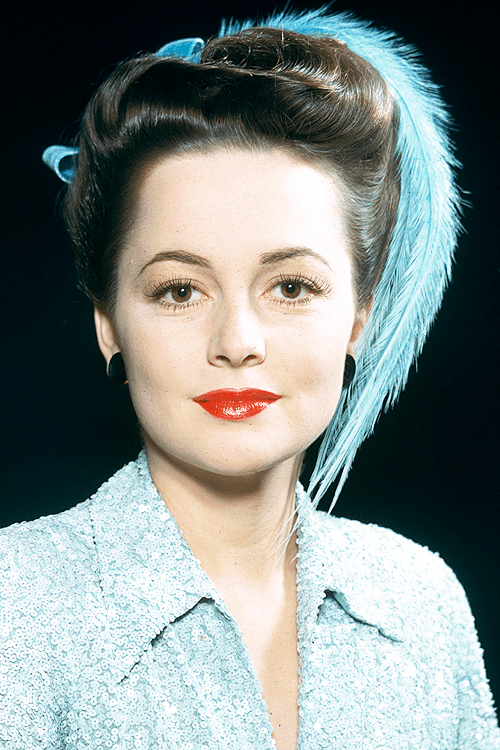
Olivia de Havilland wins a landmark legal victory against Warner Bros, allowing stars greater freedom from their contracts.
Mission to Moscow, North Star and Song of Russia are a trio of pro-Russian films from Hollywood.
1944
The Motion Picture Alliance for the Preservation of American Ideals is founded.
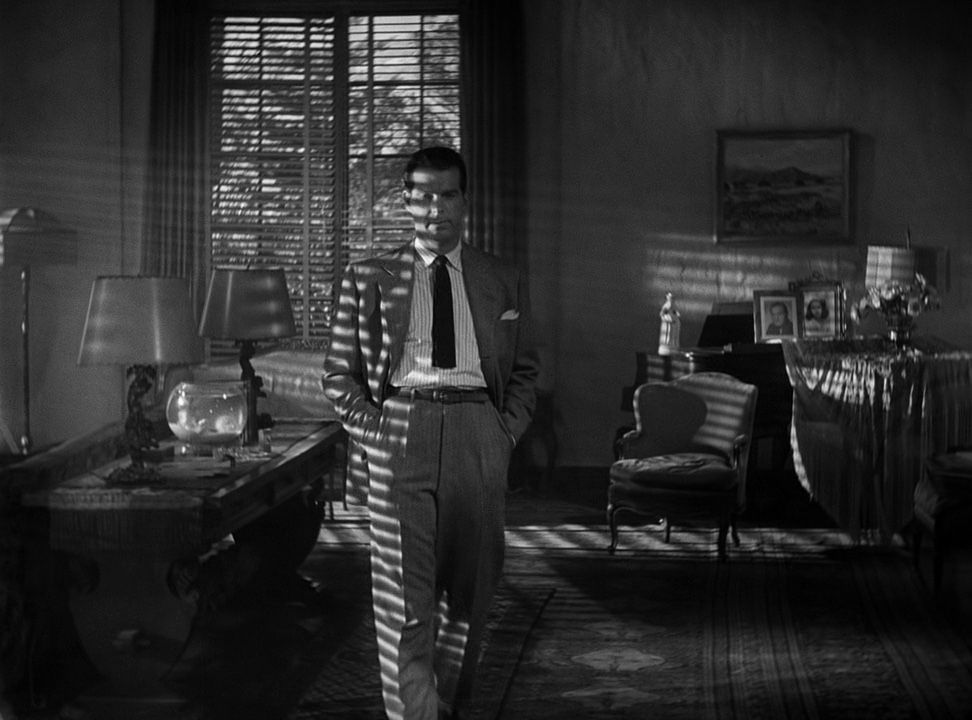
Paramount release Double Indemnity, directed by Billy Wilder, consolidating the emergence of film noir.
Meet Me In St Louis, produced by MGM and Vincente Minnelli, is a massive critical and commercial success.
1945
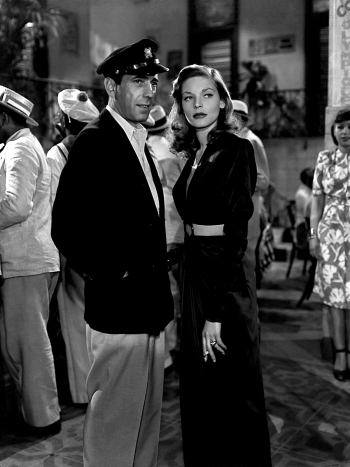
Humphrey Bogart and Lauren Bacall appear together for the first time on screen in WB’s To Have or Have Not, directed by Howard Hawks.
Will Hays retires as president of the Motion Picture Producers and Distributors of America.
Alfred Hitchcock’s Spellbound is produced by David O.Selznick, following his own experience with psychoanalysis. Salvador Dali is a notable contributor to the film.

1946
The industry’s most profitable year with $232 million in domestic rentals.
Universal merges with International Pictures to become Universal-International.
RKO release It’s A Wonderful Life, directed by Frank Capra. The film is considered a box-office disappointment and Capra’s career declines. It is later re-evaluated as one of the great American films.
1947
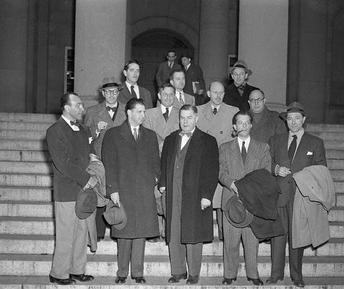
The House Un-American Activities Committee (HUAC) resumes its investigations of “Communist infilitration of the motion picture industry”.
The Hollywood Ten are charged with contempt of congress and dismissed by their studios.
Britain briefly produces an embargo on American films.
1948
Howard Hughes buys RKO, firing 700 employees and reducing the company’s output to 9 films.
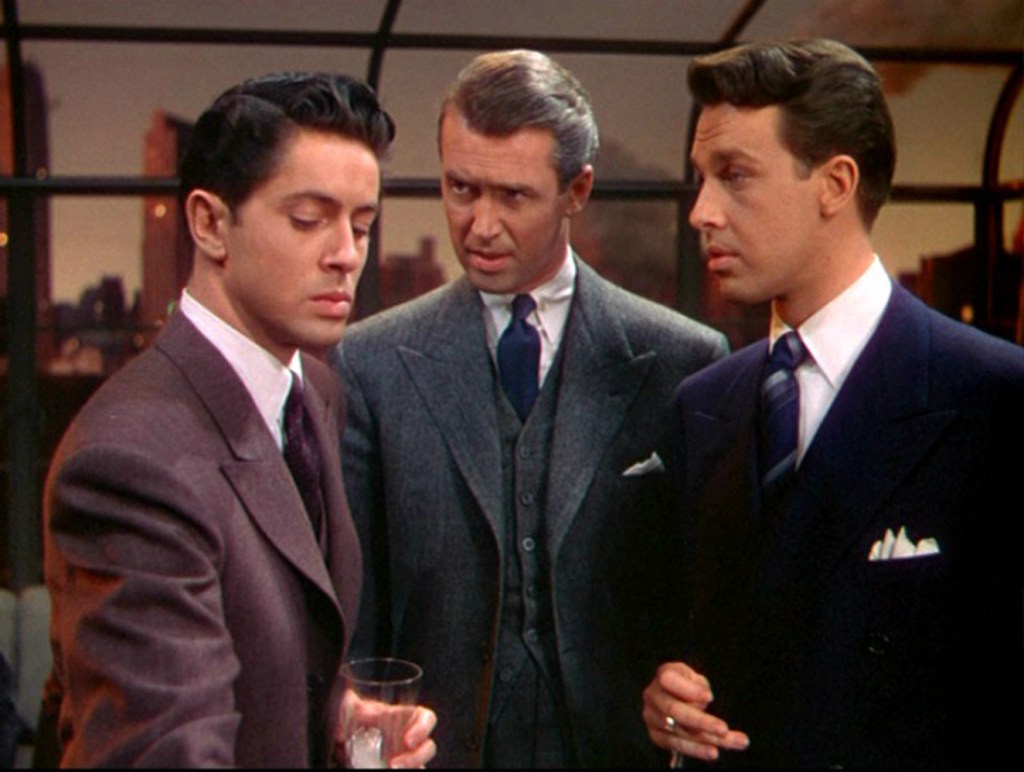
Alfred Hithcock’s Rope, released by Warner Bros, is an 80 minute film edited to appear as one continuous shot. It is also the director’s first colour film and his first collaboration with James Stewart.
Burt Lancaster establishes Hecht-Lancaster, the actor’s own production company.
1949
One million American homes have a television set.
Eastman Kodak introduces single-strip colour stock.
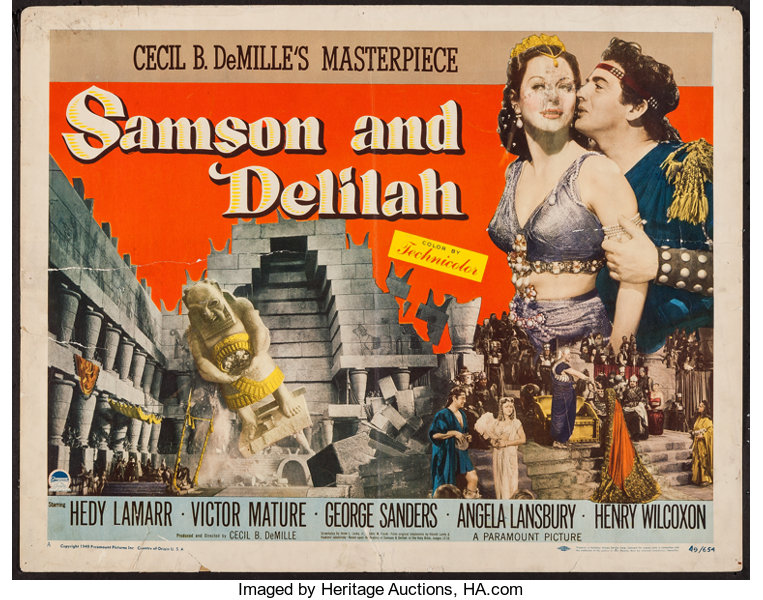
Paramount’s Samson and Delilah, directed by Cecil B. DeMille, becomes the third highest-grossing film ever upon its release.
 film-journalist.com